Introduction
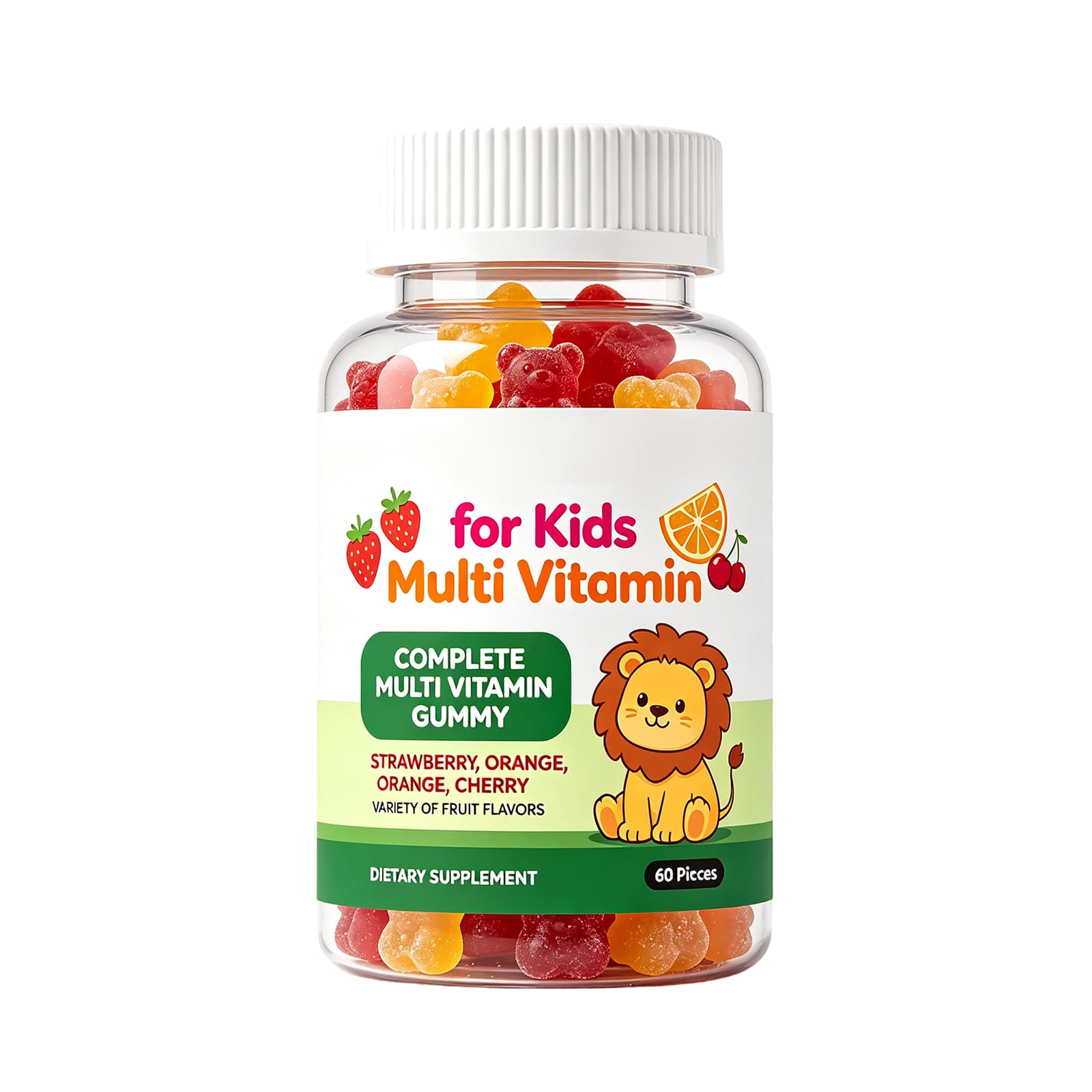
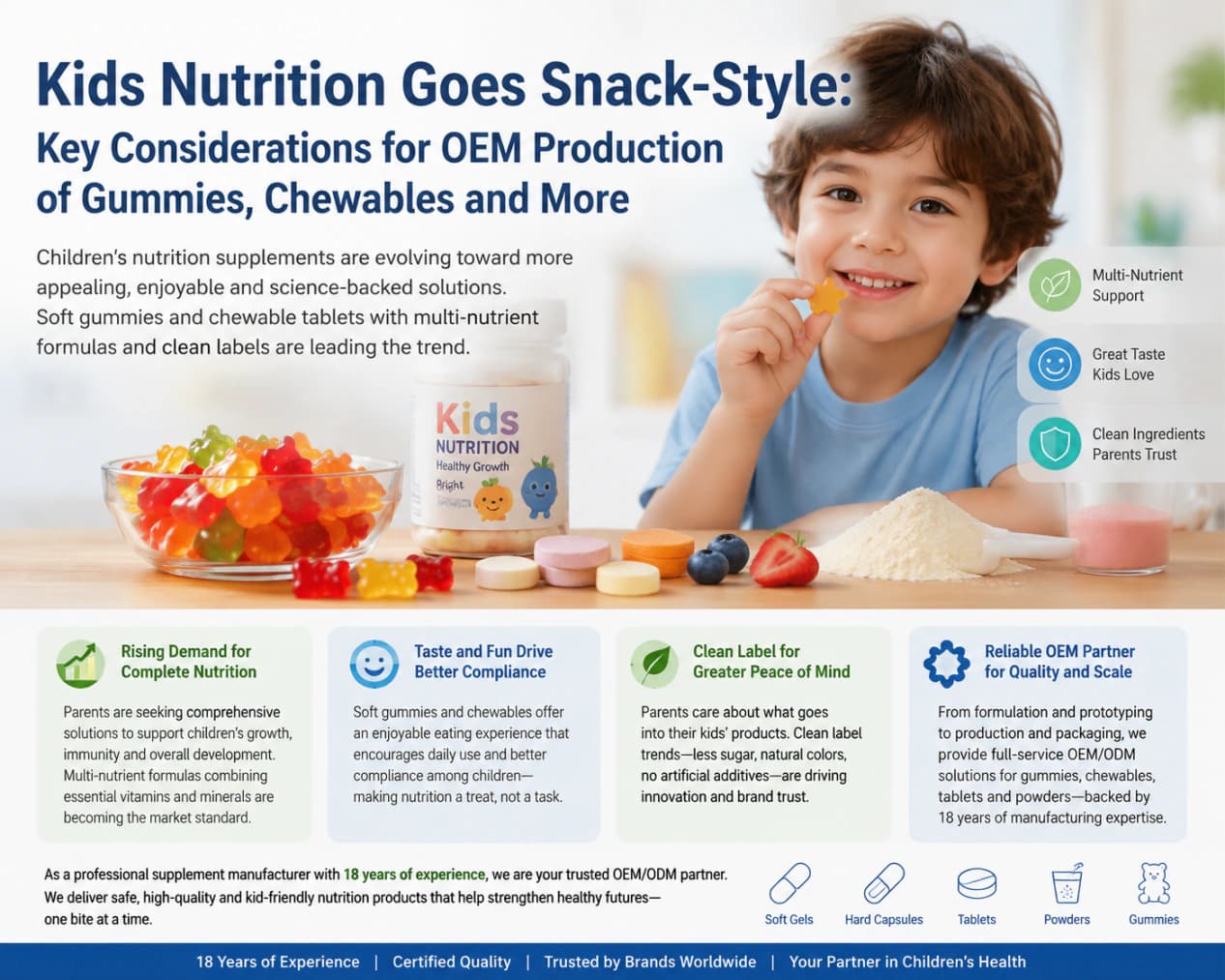
As consumer awareness of health and wellness grows, children's nutrition products are moving toward more snack-like dosage forms. Gummies, chewable tablets, jellies and powdered drink mixes place greater emphasis on taste, appearance and an easy-to-use experience than traditional adult-oriented formats.
For brands entering or expanding in this category, the project brief should connect nutritional direction with consumer appeal, manufacturing feasibility and supply continuity. The following considerations help buyers prepare a clearer OEM/ODM discussion.
1. Multi-nutrient formulas require structured feasibility review
Parents often look for broader nutritional solutions rather than a single-ingredient product. Common project directions may combine nutrients such as Vitamin C, Vitamin D, Vitamin A, zinc, calcium, prebiotics, lutein or DHA, depending on the intended age group, serving format and target market.
Multi-ingredient concepts can create stronger product differentiation, but each combination still requires review of ingredient compatibility, taste impact, dosage limits, stability and applicable market requirements before quotation or sampling.
2. Taste and texture influence product acceptance
Children are the actual users even when parents make the buying decision. Flavor, texture, color, shape and eating experience therefore need to be considered early in product development.
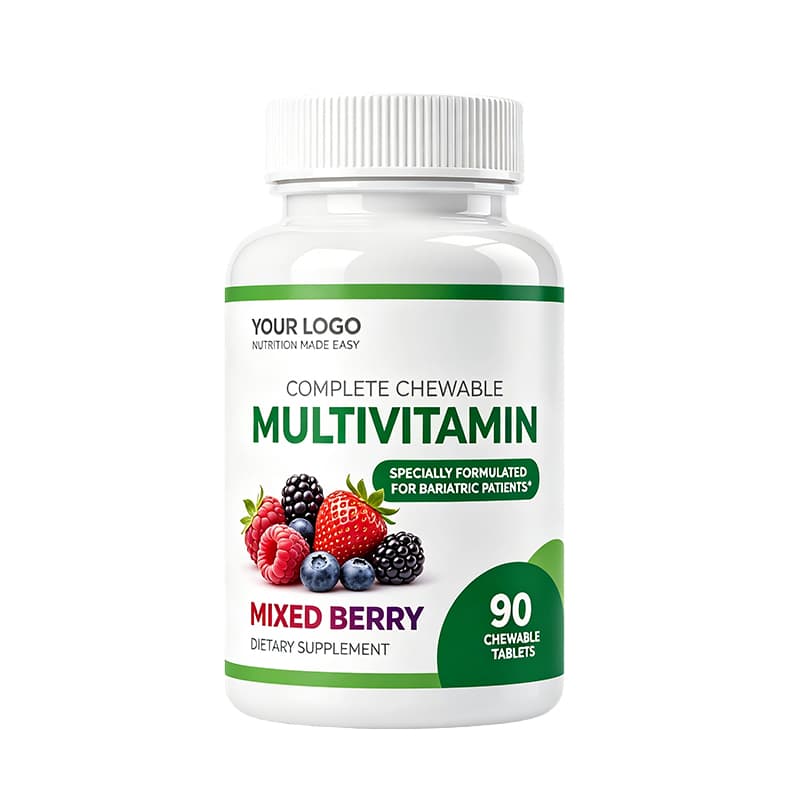
For gummies and chewable tablets, sample development commonly reviews the sweetness system, acid balance, flavor direction, molding or compression process and stability. A visually appealing concept still needs consistent texture and quality throughout the intended shelf-life discussion.
3. Clean-label direction starts with a precise buyer brief
Ingredient transparency is increasingly important to parents. Brands may request simpler ingredient lists, natural color or flavor directions, reduced-sugar concepts, or fewer unnecessary additives.
Clean-label expectations should be written clearly in the project brief and reviewed against technical feasibility, ingredient availability, product stability and local labeling rules. The final formula and claims must be confirmed for the destination market before launch.
4. Manufacturing controls support consistent children's products
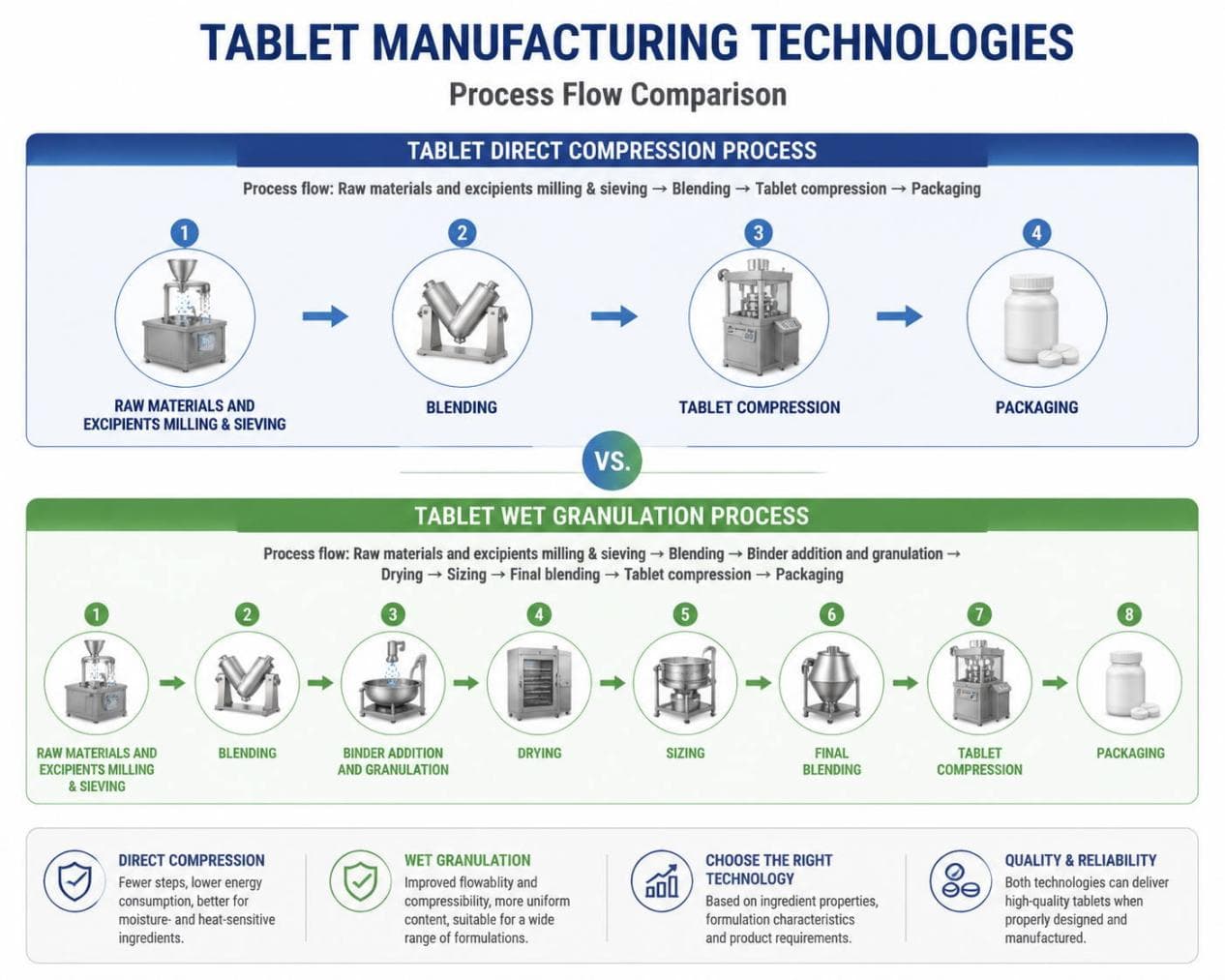
Children's supplements require careful attention to raw material review, formulation, pilot samples, processing controls, finished-product checks and packaging. The selected dosage form also affects equipment, moisture control, texture, packaging protection and production planning.
Bodakang Bio coordinates dietary supplement OEM/ODM support across softgels, hard capsules, tablets, powders, gummies and other nutritional formats. Project support can include formula customization, sample coordination, packaging design and production follow-up according to confirmed requirements.
Conclusion
Fun dosage forms, multi-nutrient concepts, clean-label direction and customized product development will continue to shape children's nutrition projects. Buyers should begin with a clear target market, age group, dosage form, quantity range and package format before formula review.