Introduction
Magnesium glycinate and magnesium citrate are both used as sources of magnesium in dietary supplement development. Their names, however, do not provide enough information to select a formula, compare quotations or approve a label.
A practical buyer decision starts with the ingredient specification and proposed elemental magnesium per serving, then considers dosage form, sensory requirements, packaging, evidence and target-market rules. The goal is not to declare one form universally superior, but to choose a defensible fit for a defined product brief.
1. Compare the two forms through the product brief
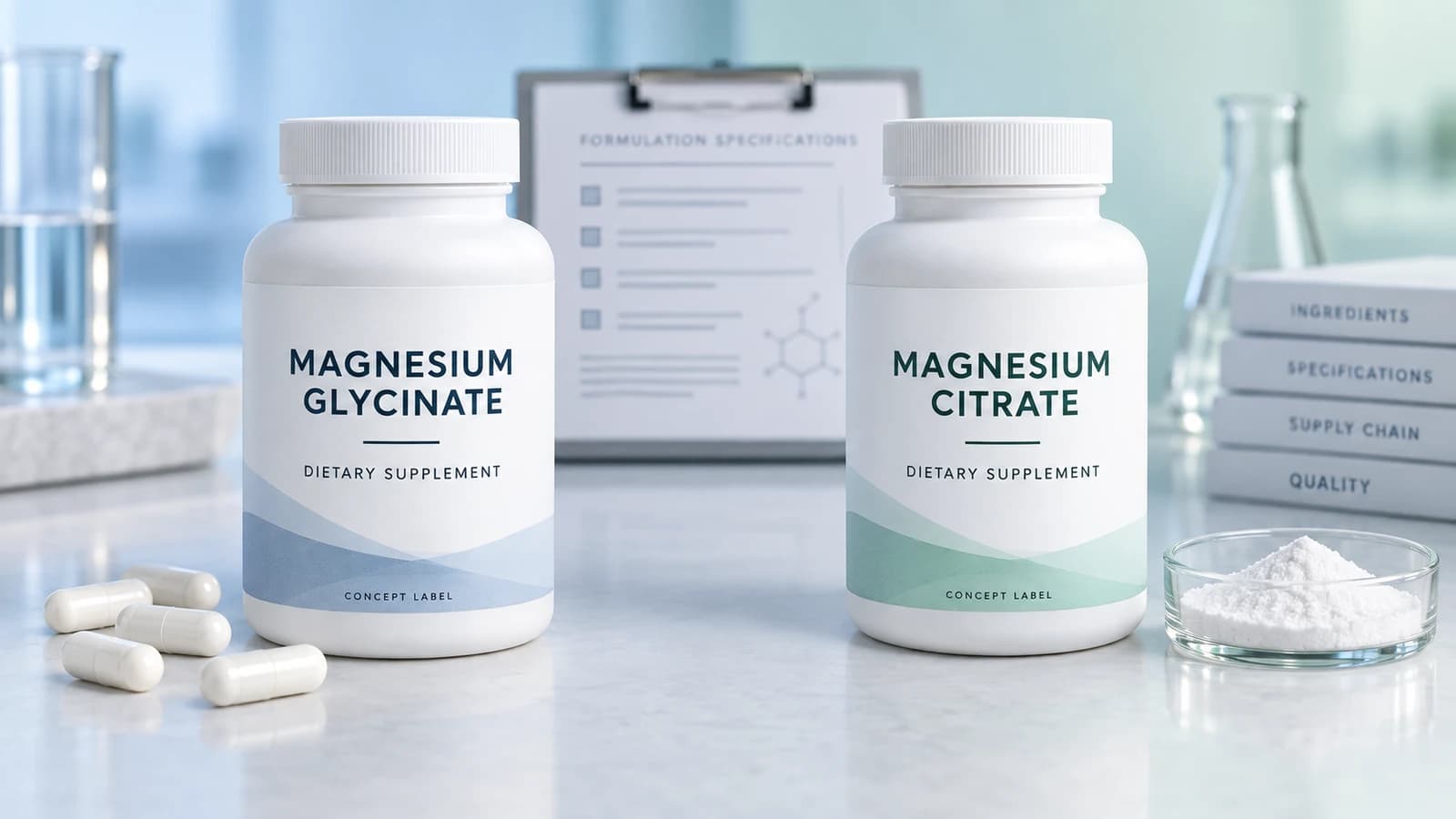
Magnesium glycinate is a magnesium salt of glycine. It is often considered for capsule, tablet and powder concepts positioned around premium daily mineral supplementation. That positioning is a commercial direction, not automatic evidence for a sleep, relaxation or tolerability claim.
Magnesium citrate is another commonly used supplemental form. The U.S. National Institutes of Health notes that magnesium citrate tends to be absorbed more completely than magnesium oxide and magnesium sulfate. This should not be rewritten as a universal ranking against glycinate or every other form.
| Decision area | Magnesium glycinate | Magnesium citrate |
|---|---|---|
| Ingredient identity | Confirm salt or chelate naming, grade, specification and elemental magnesium basis. | Confirm citrate form, grade, specification and elemental magnesium basis. |
| Commercial positioning | Often considered for premium daily mineral concepts; claims still require substantiation and review. | Used across mineral concepts; drug-related uses of magnesium citrate make context and wording important. |
| Format questions | Review bulk density, capsule or tablet size, powder flow, taste and serving count. | Review solubility, taste, powder or drink-mix behavior, serving count and other ingredients. |
| Evidence boundary | Do not infer finished-product sleep or comfort outcomes from the ingredient name alone. | Do not turn absorption comparisons with oxide or sulfate into an unsupported claim of universal superiority. |
2. Calculate elemental magnesium before comparing quotes
A raw material amount and its elemental magnesium contribution are different numbers. The NIH explains that a U.S. Supplement Facts panel declares elemental magnesium rather than the weight of the entire magnesium-containing compound.
This distinction affects serving design, capsule count, tablet size and the amount of room left for other ingredients. A useful quotation should therefore identify the proposed raw material, its specification, the input amount and the intended elemental magnesium per serving. If the supplier options use different grades or concentrations, comparing only the price per kilogram can be misleading.
3. Match the magnesium form to the dosage-form system
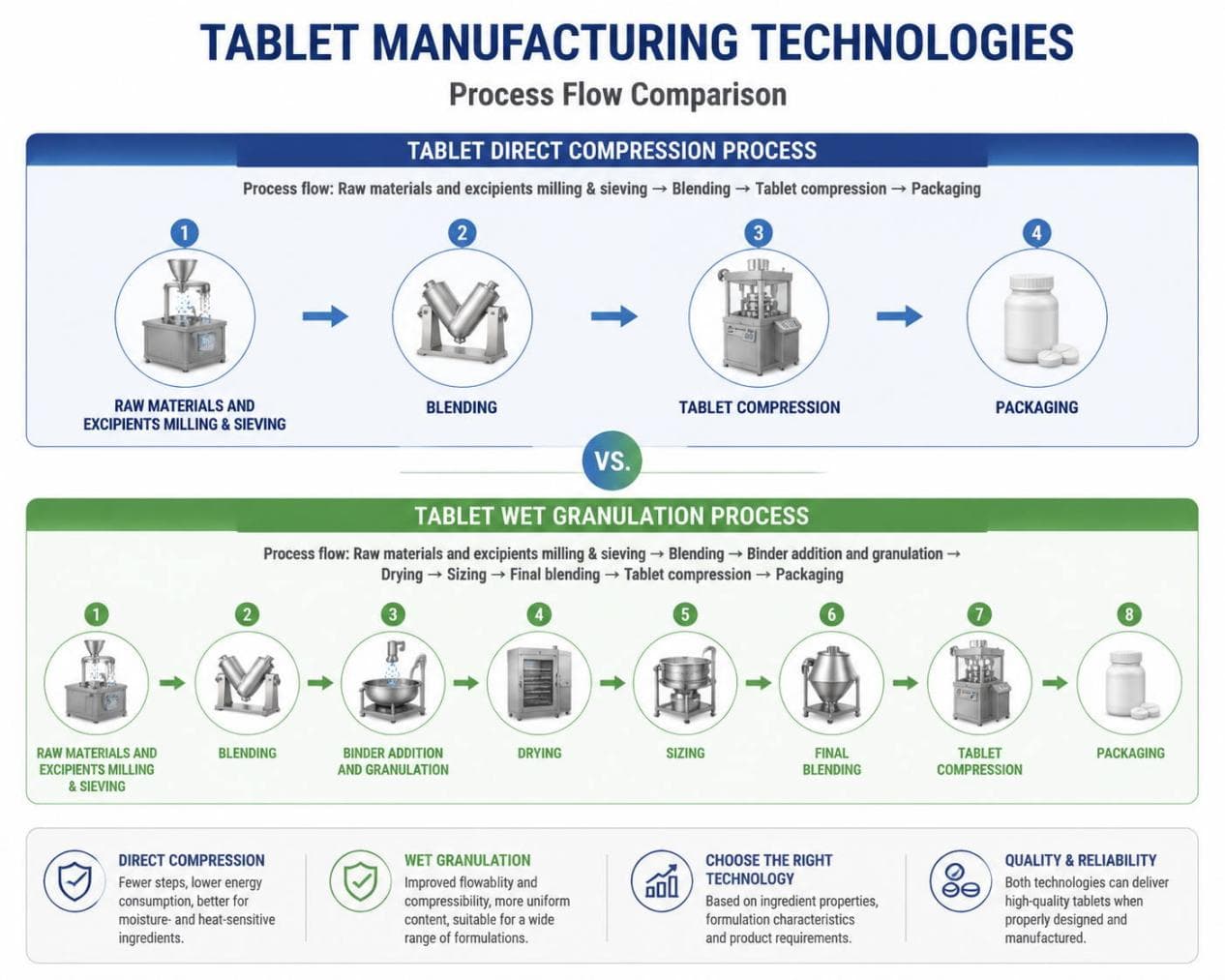
Capsules, tablets and powders each create different formulation constraints. A capsule brief needs to consider fill weight, material density, shell choice and the number of capsules per serving. A tablet brief adds compression behavior, binder and disintegration questions. A powder or drink-mix brief brings solubility, flavor, sweetness, sediment and pack format into the decision.
The complete blend matters as much as the magnesium source. Vitamins, zinc and other minerals can change the space, processing and sensory requirements. Their inclusion should be based on the intended product brief rather than a generic assumption that more ingredients create a better formula.
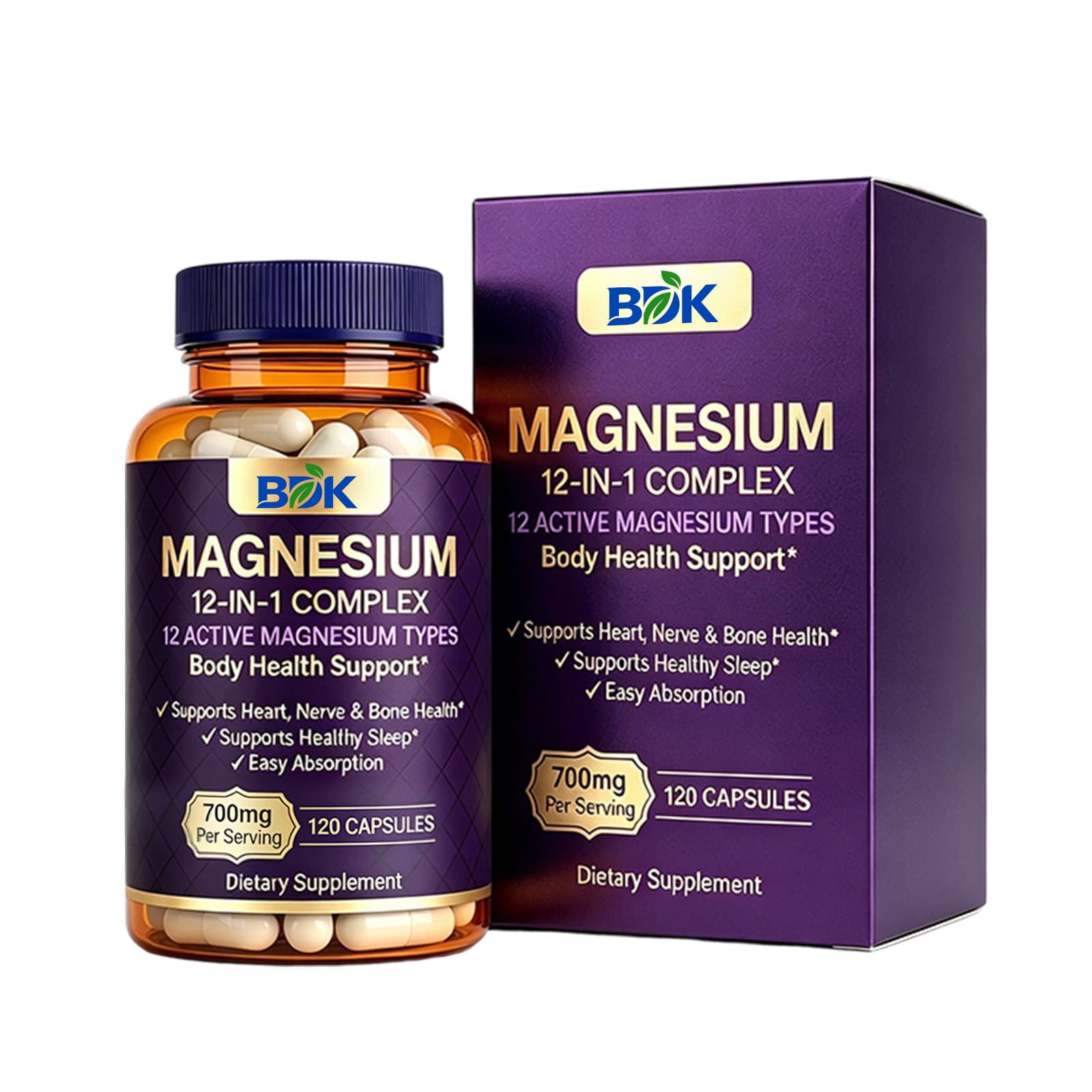
Continue project planning with Bodakang Bio's magnesium capsule product direction, hard capsule OEM planning, powder supplement OEM and quality information.
4. Separate ingredient selection from claim approval
Magnesium glycinate is frequently positioned around relaxation and sleep-oriented product concepts. Those themes should not be copied onto a finished label without substantiation and a target-market review.
In the United States, the FDA states that dietary supplement structure/function claims must be truthful and not misleading, supported before use, notified to FDA when applicable, and accompanied by the required disclaimer. Disease claims are not converted into acceptable supplement claims simply by using the word “supports.”
Magnesium citrate also appears in the FDA's over-the-counter laxative monograph. That does not prevent its use in dietary supplements, but it makes dosage, format, presentation and label context especially important when a brand wants to avoid drug positioning.
5. Information to prepare for sampling and quotation
- Target country or region and planned sales channel
- Preferred magnesium form or a request to compare options
- Proposed elemental magnesium per serving
- Dosage form, serving count and bottle or pouch count
- Other active ingredients and excipient preferences
- Flavor, sweetener or capsule-shell requirements
- Quantity range and packaging direction
- Required documents and target label language
- Claims under consideration for regulatory review
Keeping confirmed requirements separate from preferences makes sample feedback more useful and helps ensure that quotations refer to the same product basis.
Frequently asked questions
Is magnesium glycinate always better absorbed than magnesium citrate?
No universal ranking should be assumed. The NIH notes that magnesium citrate tends to be absorbed more completely than magnesium oxide and magnesium sulfate, but that comparison does not establish that citrate or glycinate is best for every formula. Ingredient specification, serving design and the finished product still need review.
Can a magnesium glycinate label automatically use sleep claims?
No. Ingredient choice does not automatically substantiate a finished-product claim. For the United States, structure/function claims must be truthful and not misleading, supported before use, notified to FDA when required, and accompanied by the applicable disclaimer. Other markets have their own rules.
Why should buyers compare elemental magnesium?
The weight of a magnesium-containing compound is not the same as the amount of magnesium it supplies. The U.S. Supplement Facts panel declares elemental magnesium, so quotations and samples should identify both the raw material input and the proposed elemental amount per serving.
What information helps start a magnesium supplement quotation?
Provide the target market, preferred magnesium form, dosage form, elemental magnesium direction, serving format, quantity range, packaging needs, label language and required documents. Unconfirmed items can be listed as options for project review.
Sources and review basis
This buyer guide was checked against the following U.S. government resources on September 14, 2026:
Discuss a magnesium supplement project with Bodakang Bio
Bodakang Bio handles project communication, solution planning, quotations, order coordination and export coordination. As the authorized export sales partner of Guangzhou Changshengkang Biotechnology Co., Ltd., Bodakang Bio can help organize a magnesium supplement brief for project evaluation without treating unconfirmed options as finished specifications.
Contact Bodakang Bio with your target market, preferred magnesium form, dosage form, elemental magnesium direction, packaging needs and quantity range. Formula feasibility, documents, sampling, lead time and quotation remain subject to review and written confirmation for the specific project.
Editorial note: This page provides general B2B product-development information. It is not medical advice, a product launch announcement, a finished formula or a substitute for market-specific regulatory review.