Introduction
A sports nutrition project can quickly become a long list of proteins, amino acids, minerals and packaging ideas. That does not yet make it a workable product brief. A buyer first needs to define who the product is for, how it will be used, what the serving should look like and which requirements apply in the intended market.
Once those decisions are recorded, ingredient specifications, flavor work, sample feedback and quotations can be compared on the same basis. This guide focuses on the practical questions behind protein powders, BCAA concepts and complementary sports nutrition formats without treating common category language as a finished-product claim.
1. Define the use case before selecting ingredients
“Sports nutrition” covers more than one consumer need. A daily fitness powder, an endurance-focused drink mix and a compact capsule product create different serving, sensory and packaging constraints. The brief should describe the intended user and occasion without promising a performance or recovery result.
| Decision area | Buyer input | Development question |
|---|---|---|
| Use occasion | Daily routine, training-day use or on-the-go format | What serving and pack will fit that routine? |
| Consumer direction | General fitness, active lifestyle or specialist channel | Which ingredients and messages are appropriate? |
| Target market | Country, language and sales channel | Which ingredient, label and claim rules apply? |
| Commercial format | Jar, pouch, sachet, bottle or stick pack | How will serving count affect price and pack size? |
2. Plan a protein powder as a complete product system
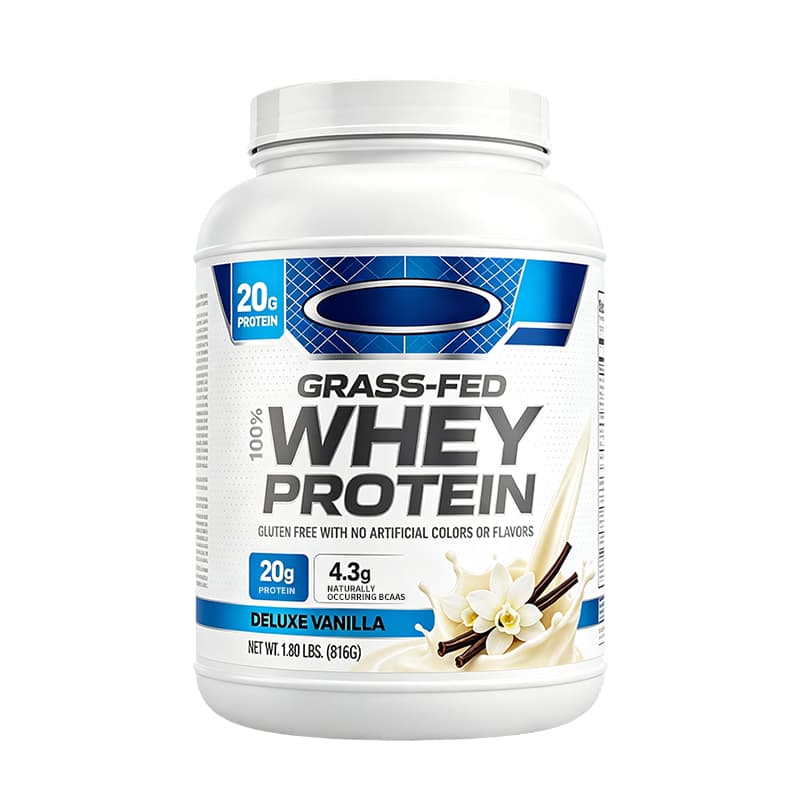
A protein source should be identified precisely rather than described only as “high protein.” Buyers may need to compare source identity, protein specification, amino-acid information, allergen status, flavor, color, dispersibility and the documents available for the proposed material.
The ingredient and the finished serving also need to be kept separate. Raw-material protein content, the amount of material added, the declared protein per serving and the final scoop size are related but different values. Sweeteners, flavors, cocoa, fibers and other ingredients can change taste, texture, bulk density and the space required in the package.
Allergen planning belongs at the start of development. For example, dairy- or soy-derived materials may create declaration requirements in the target market. A plant-based concept may raise different questions about source combinations, texture and sensory balance. These choices should be verified against the actual formula and supplier documents rather than inferred from the front-label concept.
3. Evaluate a BCAA concept through specification and serving feasibility
BCAA refers to the branched-chain amino acids leucine, isoleucine and valine. A useful brief identifies the proposed ingredient specification and ratio instead of using “BCAA” as if it were a complete formula. Other active ingredients, flavoring components and the intended amount per serving also need to be recorded.
Powder concepts require a realistic review of solubility, bitterness, sweetness, flavor stability and sediment. Capsule or tablet concepts may avoid beverage flavor work, but the intended serving can create size or unit-count limitations. Sampling should therefore evaluate the proposed dosage form and full blend, not only the ingredient name.
A BCAA formula should not be presented as automatically superior to a complete protein or as a guaranteed route to recovery or performance. Claims need evidence for the finished product and a separate review for the intended market.
4. Build electrolyte and joint-nutrition extensions as separate briefs
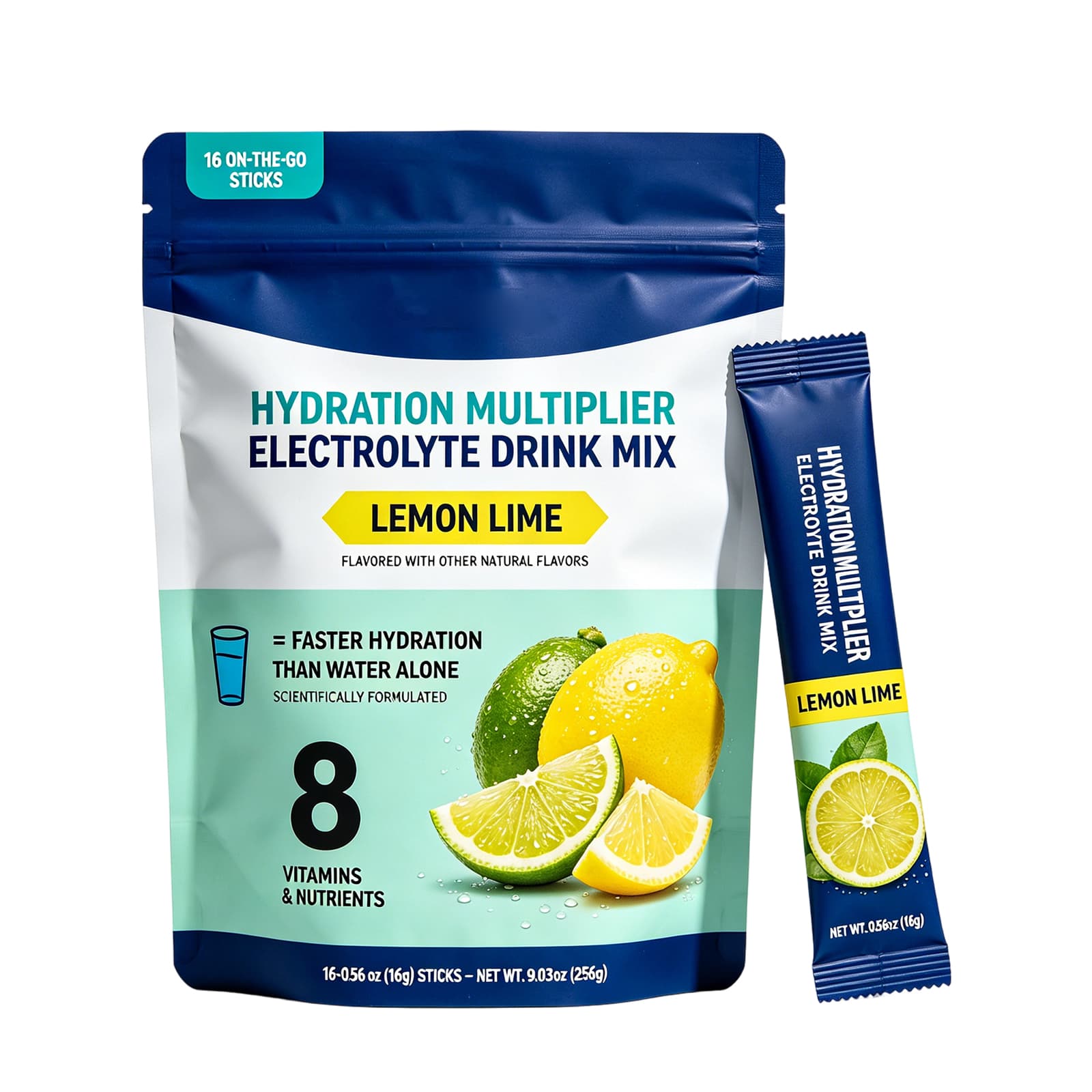
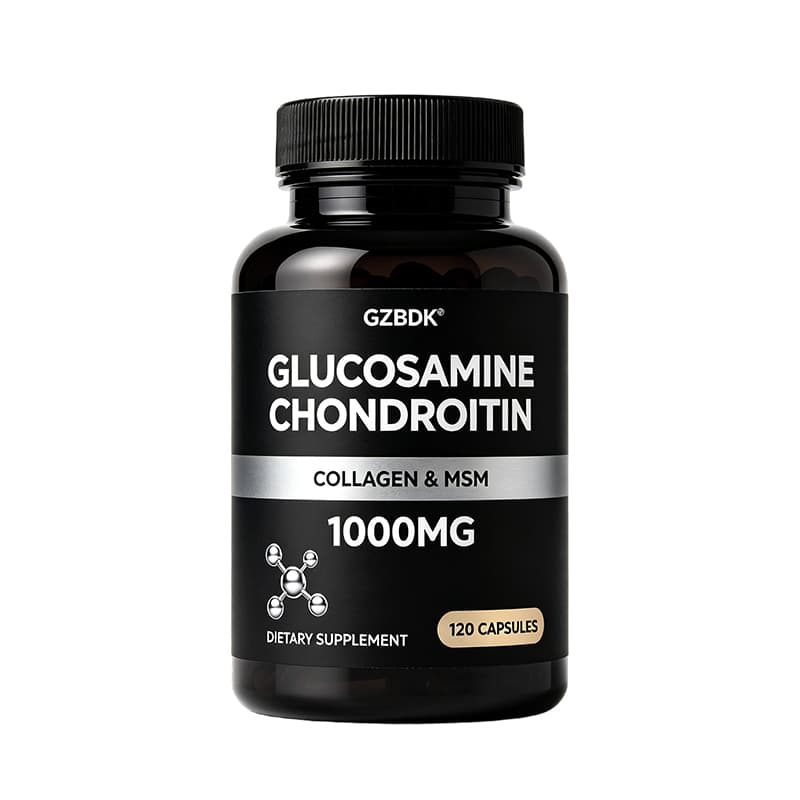
Electrolyte powders and joint-nutrition products may sit beside protein and amino-acid products in a sports nutrition range, but they should not be treated as simple flavor extensions. Electrolyte projects require their own mineral specification, serving, taste and label review. Joint-nutrition projects may use different ingredient forms, dosage formats and evidence boundaries.
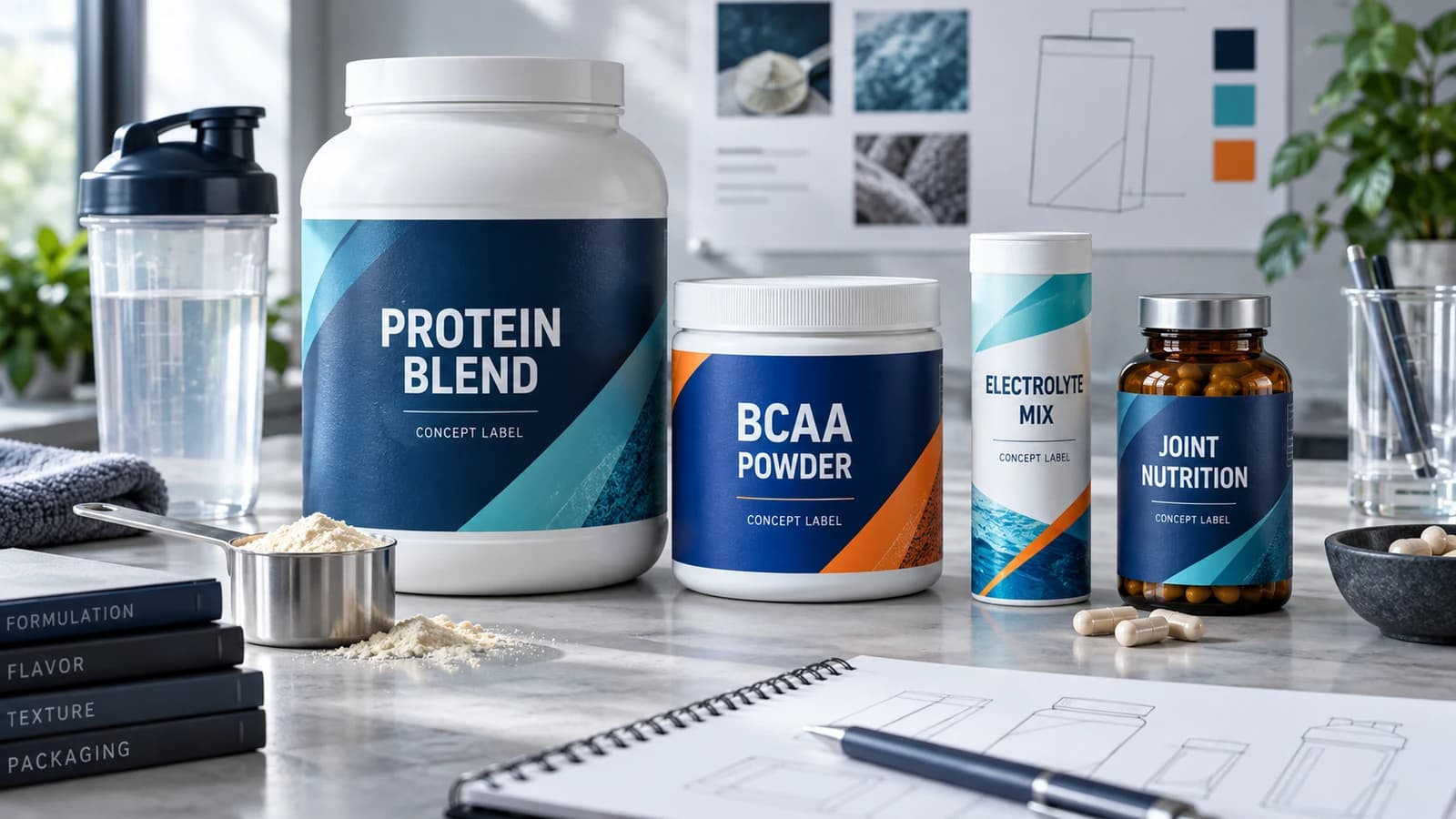
A portfolio plan can still create useful consistency through pack architecture, color coding, serving language and document standards. The formulas and claims, however, need individual evaluation. This keeps the range visually connected without turning an unverified “multi-benefit system” into the product premise.
Explore Bodakang Bio's sports nutrition powder direction, protein powder options, electrolyte powders and joint health supplement direction.
5. Choose the dosage form and packaging together
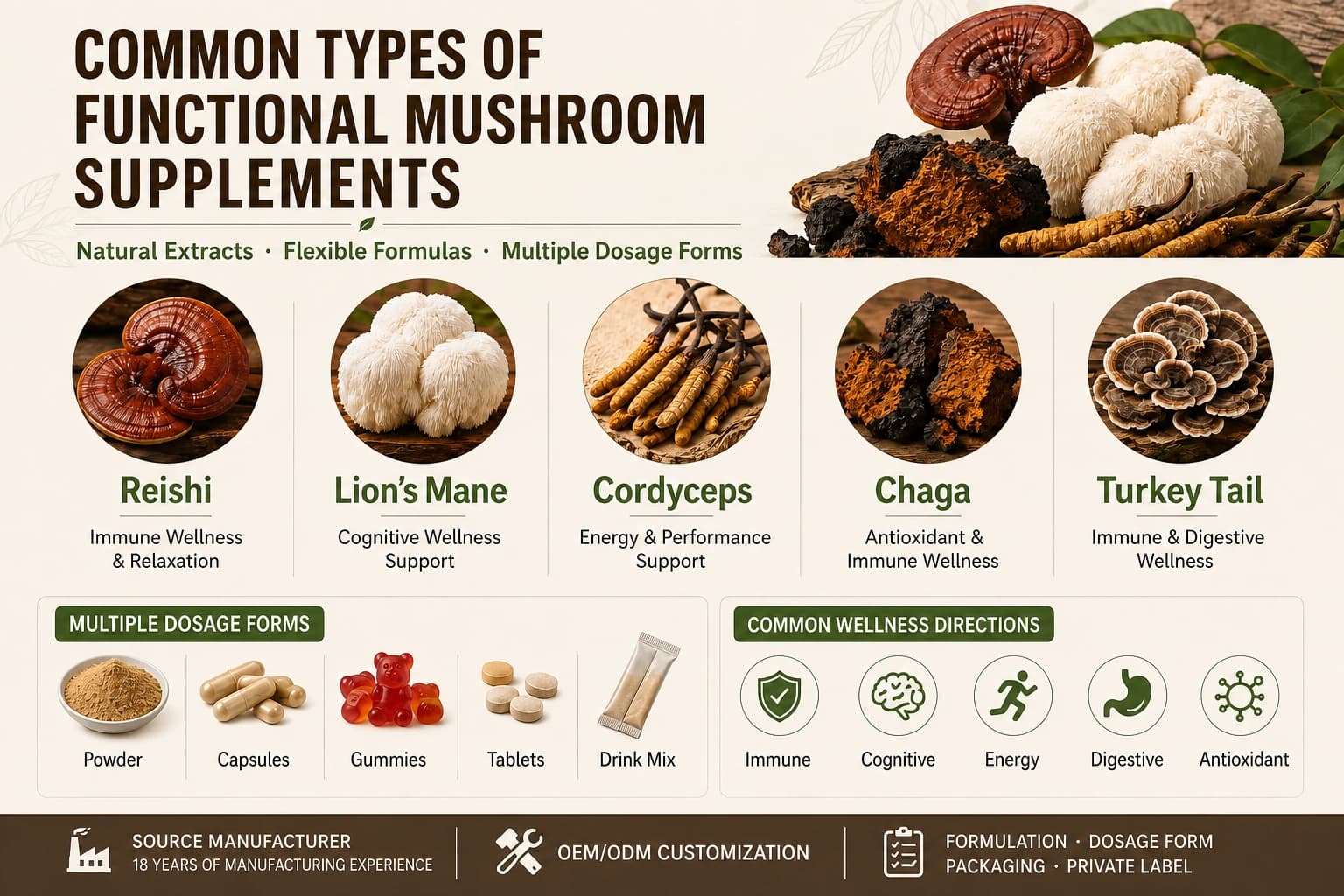
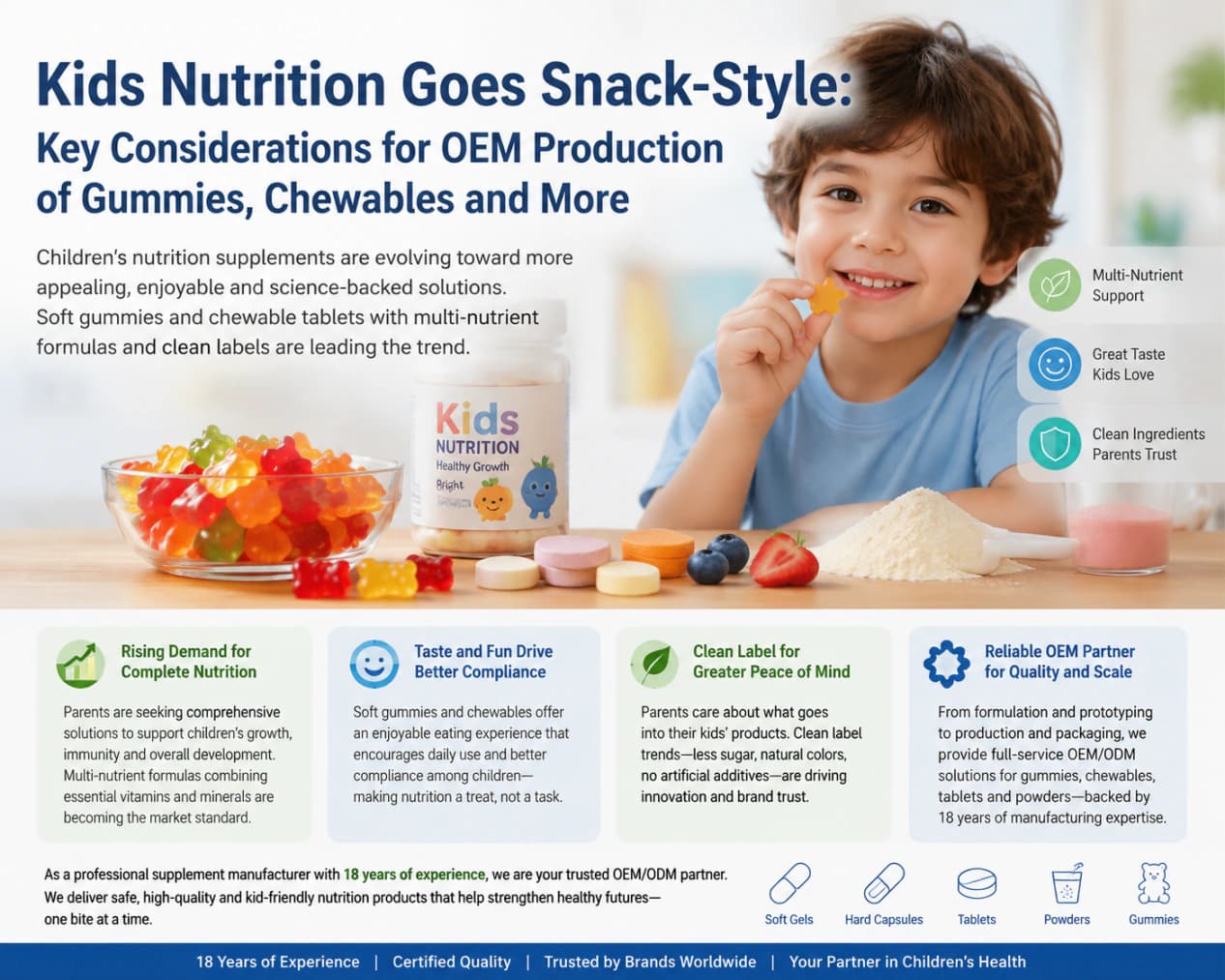
Powders can accommodate larger serving volumes and flexible flavor directions, while capsules and tablets can support a compact routine. Gummies and liquids introduce their own taste, texture, stability and packaging questions. The right format is the one that fits the formula, consumer routine and commercial plan—not simply the format currently receiving the most market attention.
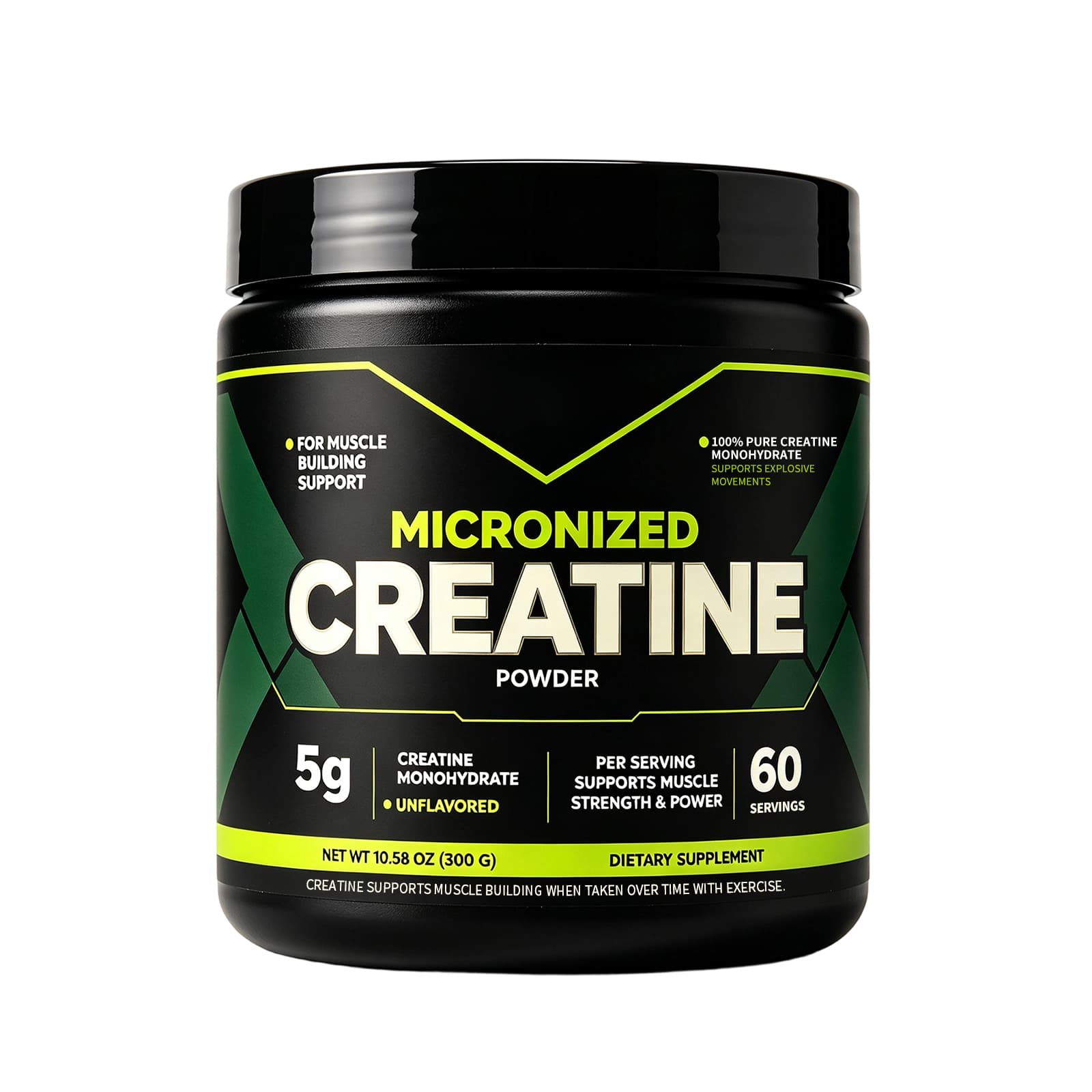
Jar or pouch size should be checked against bulk density, serving count and scoop volume. Single-serve sticks or sachets can support portability but add film, fill-weight and carton decisions. Moisture control, closure choice, label area, secondary packaging and distribution conditions should be part of the same development conversation.
6. Information to prepare before sampling and quotation
- Target country or region and planned sales channel
- Intended consumer and use occasion
- Dosage form and preferred serving format
- Ingredient direction and any required specifications
- Flavor, sweetener, color and sensory preferences
- Allergen, vegetarian or other source restrictions
- Required testing and supporting documents
- Packaging type, serving count and label language
- Estimated order quantity and target project timing
- Proposed claims for evidence and regulatory review
Mark each item as confirmed, preferred or open for discussion. This makes revisions easier to track and helps ensure that a sample, quotation, specification and artwork refer to the same product direction.
Frequently asked questions
Does a BCAA product automatically outperform a complete protein?
No. BCAA ingredients and complete proteins serve different formulation briefs, and an ingredient choice does not guarantee a performance outcome. Buyers should compare the intended use case, complete formula, serving design and evidence behind any proposed claim.
Can one sports nutrition formula and label be used worldwide?
Not by default. Permitted ingredients, label formats, allergen declarations and claim rules vary by market. The target country or region should be confirmed before formula, packaging and artwork approval.
How should a buyer choose between powder and capsules?
Start with the intended amount per serving, ingredient bulk, consumer routine and sensory requirements. Powders can accommodate larger serving volumes but need flavor and dispersibility work. Capsules avoid beverage flavor development but may require multiple units per serving.
What information is needed for an initial quotation?
Provide the target market, intended audience, dosage form, ingredient direction, serving concept, flavor or shell preferences, allergen restrictions, packaging, quantity range, required documents and planned claims. Unconfirmed points can be listed as options for review.
Discuss a sports nutrition project with Bodakang Bio
Bodakang Bio can help organize a product brief, clarify dosage form and packaging decisions, and coordinate a project review for protein, amino-acid, electrolyte or joint-nutrition concepts. Unconfirmed options remain proposals until the formula, documents, sample and commercial terms are reviewed in writing for the specific project.
Contact Bodakang Bio with your target market, intended use case, ingredient direction, packaging needs and estimated quantity range to begin the discussion.
Editorial note: This page provides general B2B product-development guidance. It is not medical advice, a released formula, a performance guarantee or a substitute for market-specific regulatory review.